Ram Lalchand Daswani’s story
0 comments
From Hyderabad to Okinawa
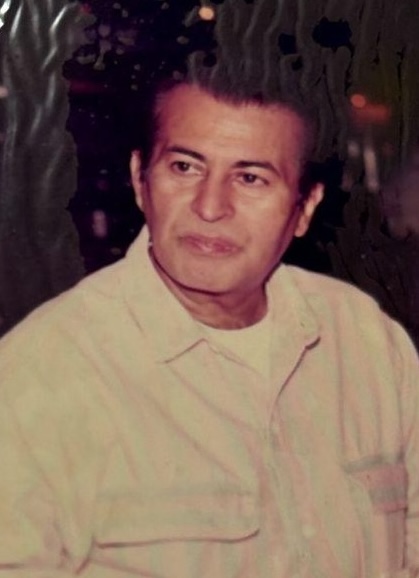 A candid shot of RamRam Lalchand Daswani was born on 27th September 1935 in Hyderabad, Sindh, British India to parents Lalchand and Hari (maiden name: Kishni).
A tip-off received by his father about a year or so before Partition took place enabled Ram’s family to pack up and leave while things were still peaceful.
Ram lived in Okinawa, Japan and this is his story.
Ram Lalchand Daswani is one of seven siblings of four brothers and three sisters. In Hyderabad, they lived in a big house, surrounded by a community of neighbours and friends who celebrated festivals and played together. Ram remembers the festival of Lal Loi where he and a group of friends would call around to houses with tin cans to ask for donations. Using the money they collected, they would then buy wood and build a bonfire to commemorate the day. Ram also recalls with fondness an annual kite flying competition, where the purpose was to ‘cut’ the strings of other kites to bring them down. In order to do this, Ram and his friends would glue bits of glass to their kite strings, with glue that they made themselves. This glue mainly contained flour in order to make it sticky.
Other activities that Ram remembers include playing with tops and marbles, and itti dakkar, a game played using two sticks as well as celebrating festivals like Satai and Diwali.
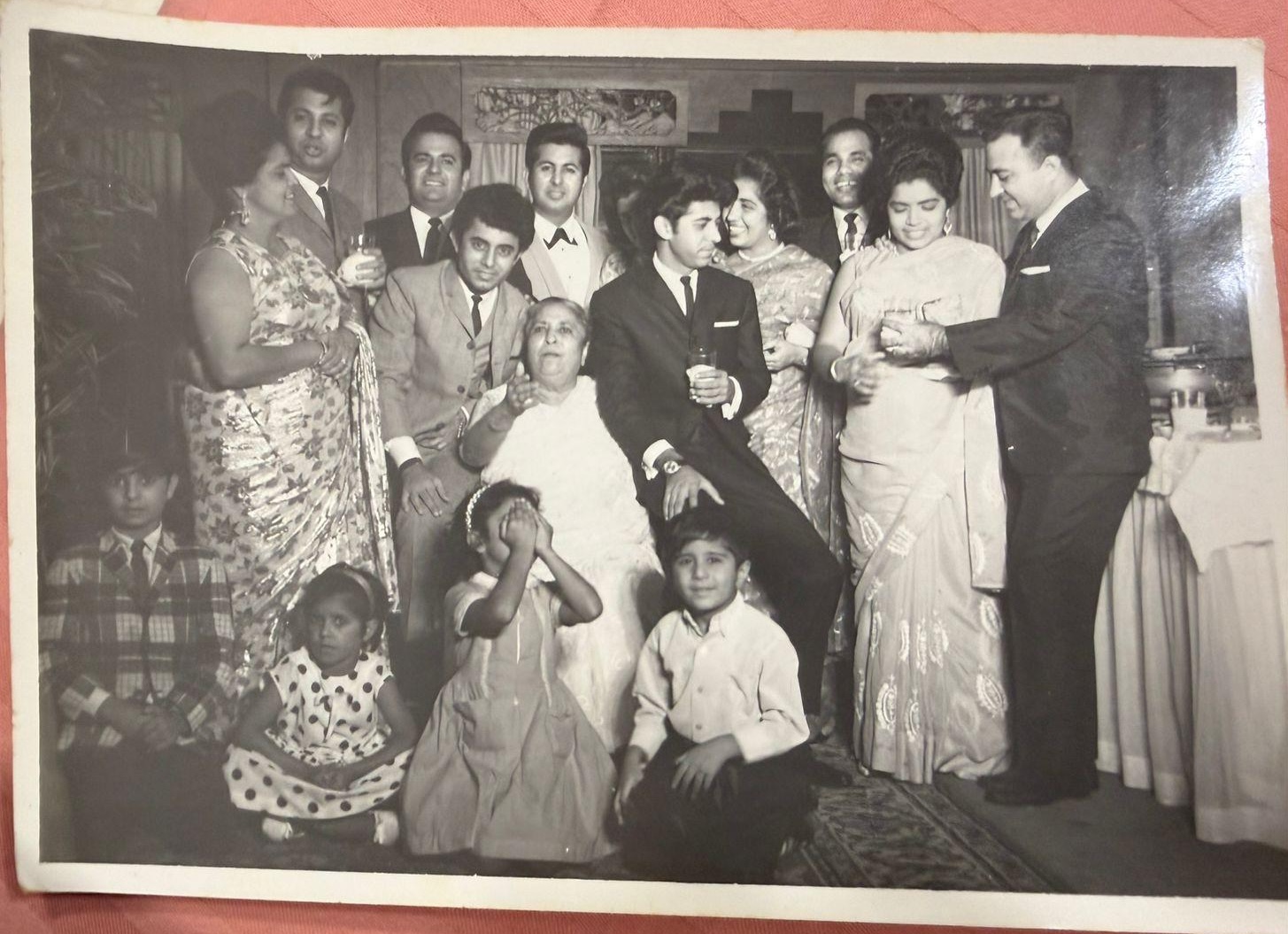 Ram (back row, 3rd from left) with his familyRam’s father, whom they fondly called “Baba” worked in Shanghai, China. About a year or so before Partition happened, when Ram was about nine or 10 years of age, growing rumblings about something brewing in British India reached Ram’s father all the way in Shanghai. His father immediately wrote to his family back home to pack up all their belongings and leave Hyderabad immediately. However, his mother, not quite realising the context or gravity of the matter from the letter, did not pack any valuables as she thought they would be returning to their home.
It wasn’t just his mother who thought their trip was temporary – Ram and his siblings thought they were going on a holiday and were excited about their journey as they had never been out of Hyderabad.
Together with his mother and siblings, they left for Mumbai by train. Upon arrival, they stayed in a hotel – which was right across the street from the metro cinema called MGM – for a few days before finding a suitable accommodation to move into. Till this day, Ram recalls the name of the apartment that they moved into – Diamond Mansion.
When they realised that this was not a temporary trip, they were unable to return home to get their valuables as unrest and looting had already begun – the family had left just in time. But now, they needed to start over.
In Mumbai, he continued and finished his schooling, where he studied in both English and Hindi.
Somewhere along the way, the family moved to Madras (now known as Chennai) and eventually, at the age of 19, Ram went to work in Hong Kong, which was a sleepy fishermen’s village at that time.
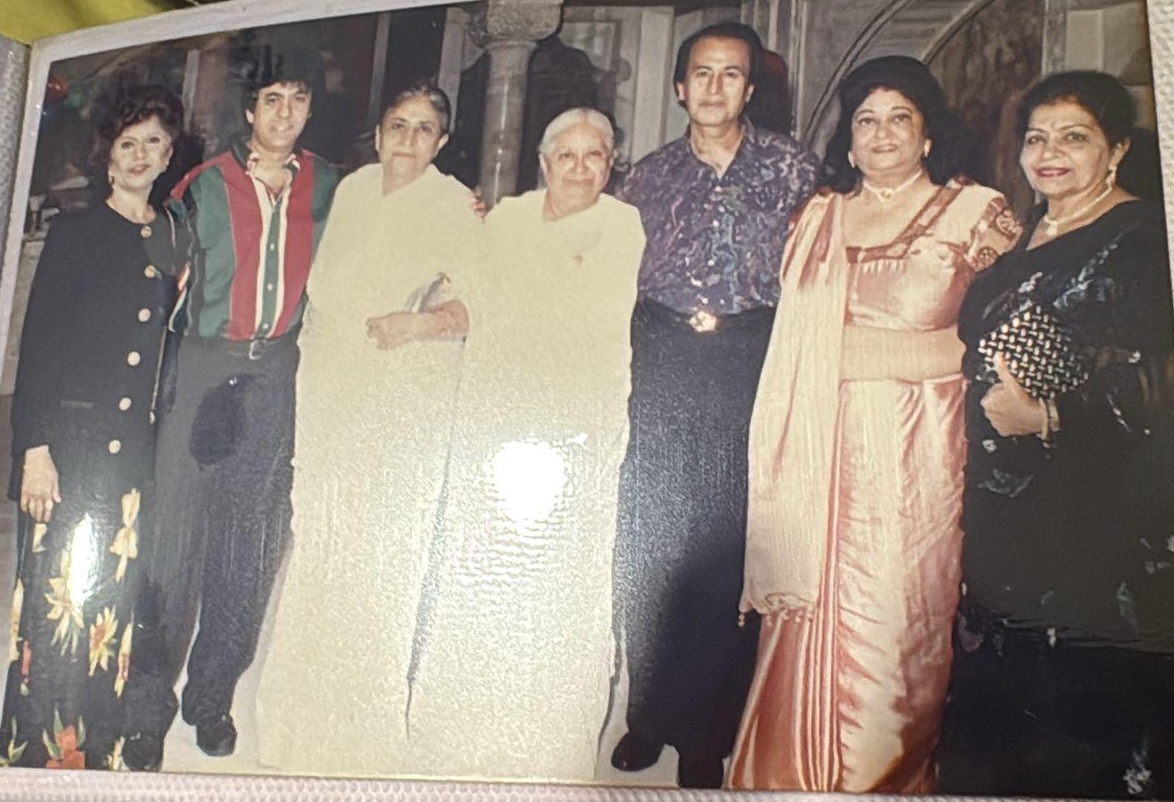 Ram (3rd from right) with his siblings and familyFollowing that, he moved to the island of Okinawa in Japan where he opened a gift shop called Elson’s. The shop is situated on a famous street in Okinawa known as Gate 2. Its proximity to the Kadena Air Base, the largest and most active United States air base in East Asia, saw throngs of U.S. Marines frequenting the street on their off days, ensuring booming business for the shops there. Today, however, Ram says that the street, which is filled with Sindhi-owned shops, is quiet.
In 1962, Ram made history when he got married in Okinawa – his was the first Sindhi wedding to be held there! Having not had any Sindhi weddings held there, the flowers for his wedding had to be specially flown in from Hawaii.
After retirement, Ram kept himself occupied by reading the news and international affairs.
Today, Ram is remembered fondly by his two daughters and a son who are all married.
Share this story
Comments
No comments yet.